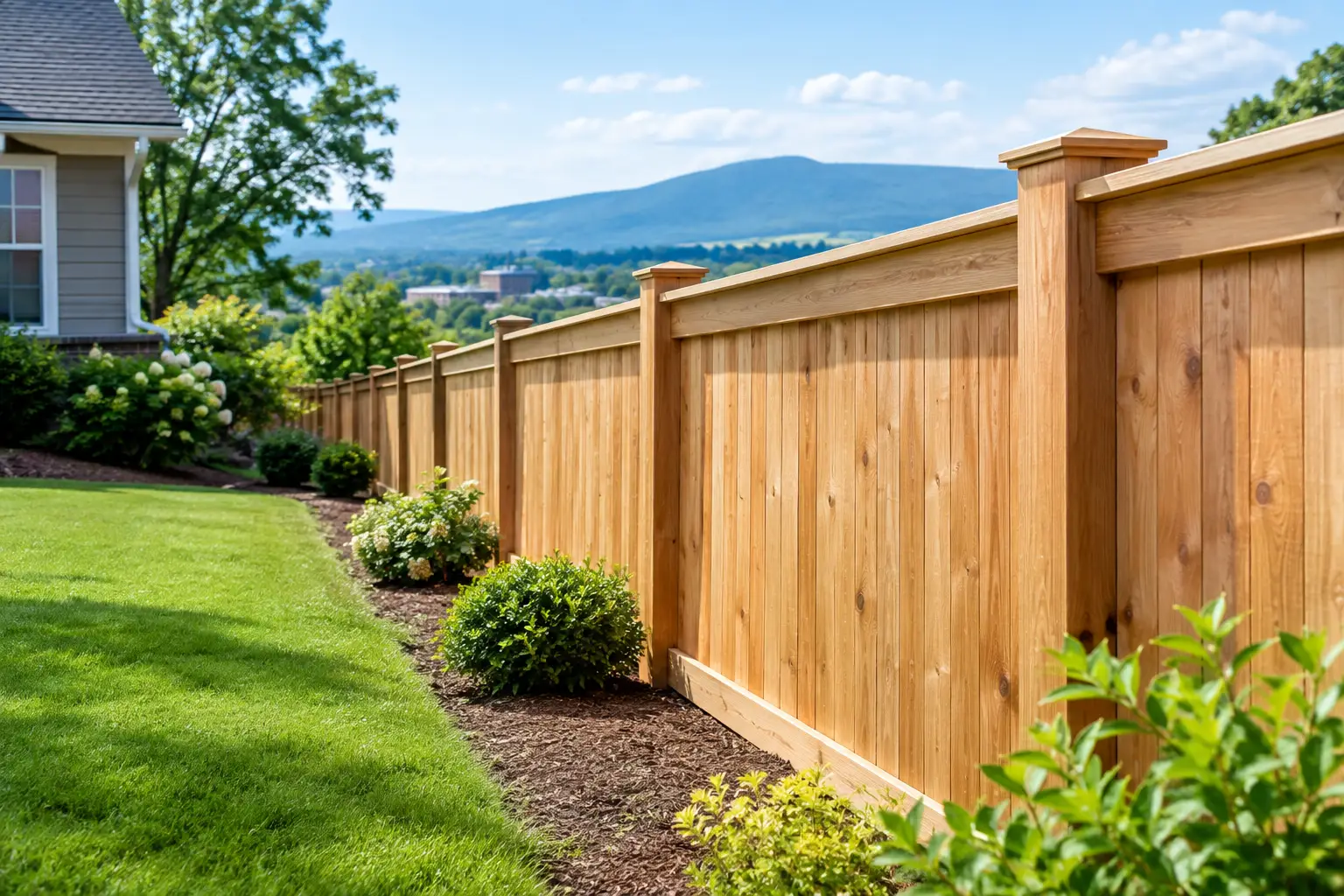
A wood privacy fence installation can change how a Lynchburg backyard feels from the first day it is in place. It creates a defined space for children and pets, screens nearby homes, and gives homeowners a more comfortable place to relax outside. But a fence that looks good and holds up well starts with decisions made before the first post is set.
For Central Virginia homeowners, the right plan has to account for the property itself. Yard slope, drainage, access, existing landscaping, utility locations, and the reason for the fence all affect the finished result. A free on-site estimate is the best place to turn a general idea - more privacy, a safer dog run, a clearer boundary - into a practical fence layout.
Start With What the Fence Needs to Do
Most homeowners want privacy, but that word can mean different things from one property to the next. A family may need a fully enclosed backyard so children can play without wandering toward the driveway. A pet owner may need secure containment with a gate wide enough for lawn equipment. A homeowner near a busy street may want visual separation and a more protected feeling in the yard.
Those goals influence height, layout, gate placement, and the style of the fence. A solid wood privacy fence is often selected because it blocks direct sightlines better than open-picket styles. The fence line may follow the property boundary, but it may also be set inside it to preserve access, work around trees, or accommodate an existing drainage area.
Before choosing a design, consider how the yard is used now and how it may be used later. A narrow side yard might need a simple walk gate. A larger rear yard may benefit from a double gate for a mower, trailer, or future landscaping work. Small planning decisions like these are much easier to address before installation than after the fence is complete.
Evaluate the Yard Before Choosing a Layout
No two Lynchburg-area properties are exactly alike. Some backyards are level and open, while others have rolling grades, wooded edges, retaining walls, or uneven corners. A professional site visit helps identify conditions that affect how a wood privacy fence should be installed.
Slope and Grade
Sloped yards require careful planning. Depending on the grade and the homeowner's preferred appearance, fence panels can be stepped down in sections or follow the slope more closely. Stepped sections create level runs with visible changes between panels. A contoured approach can reduce gaps near the ground but may require more detailed construction.
There is no single best choice for every yard. The right approach depends on the slope, the desired finished look, and whether pets need a tight enclosure along the bottom of the fence.
Drainage and Soil Conditions
Water should not be ignored when planning wood fencing. Low spots, runoff paths, and areas that remain damp after rain can affect post stability and long-term wood performance. The fence should not trap water against the yard or create a barrier where drainage needs to move freely.
Central Virginia weather brings heat, humidity, rain, and seasonal temperature changes. Proper post setting and thoughtful placement help the fence stand up to those conditions. If a section of the yard has persistent drainage problems, addressing that concern before or alongside the fence project can prevent frustration later.
Trees, Roots, and Existing Features
Mature trees can add value and shade to a yard, but their roots may complicate a fence line. Sheds, patios, garden beds, HVAC equipment, septic components, and underground utilities also need to be considered. A good layout works around essential features without creating difficult-to-maintain spaces.
An on-site estimate gives the installer a chance to walk the property, identify access points, and discuss any areas where the ideal fence line may need an adjustment.
Choose a Wood Fence Style That Fits the Home
A standard solid privacy fence provides a clean, familiar look and strong visual screening. It works well for many residential backyards because it is straightforward, versatile, and easy to coordinate with a wide range of home styles.
Homeowners can also consider details that change the fence's appearance without changing its main purpose. Board orientation, top-line design, gate style, and post caps all affect the finished look. A more decorative top may add curb appeal, while a simple straight-top design often suits homeowners who want a clean, practical enclosure.
Material selection matters, too. Wood has a natural appearance that many homeowners prefer, especially around landscaped yards and established homes. It can be a strong value for a privacy fence, but it does require periodic care. Compared with vinyl, wood may need staining, sealing, or repair over time. In return, it offers a traditional look and can often be repaired section by section when damage occurs.
The best material is not always the lowest-cost option or the option with the least maintenance. It is the one that fits the property's appearance, the homeowner's upkeep expectations, and the fence's primary job.
Plan Gates for Everyday Use
Gates are one of the most-used parts of a fence, so they deserve more attention than many homeowners give them. A gate should be placed where it makes daily routines easier, not just where there is an empty section of fence line.
Think about taking out trash, bringing in outdoor furniture, moving a mower, accessing a utility meter, or letting a dog into the yard. A walk gate may be enough for one household, while another needs a wider double gate to allow equipment into the backyard. Gate placement can also affect privacy. A gate facing a neighboring home or street may need to be positioned carefully to avoid opening a direct view into the yard.
Well-built gates need proper support and alignment. Because gates move constantly, they are more likely than fixed fence sections to reveal problems if installation is rushed. Strong posts, appropriate hardware, and adequate clearance help a gate operate reliably through changing weather.
Understand Property Lines and Local Requirements
A fence can define a boundary, but it should not be used to guess one. Homeowners should confirm property lines before installation, especially when the proposed fence will run near a neighbor's yard. Existing fences, landscaping edges, and informal markers are not always accurate indicators of the legal boundary.
It is also wise to review neighborhood association rules, recorded restrictions, and local requirements that may apply to fence height, style, or placement. Requirements can vary by neighborhood and property type. Corner lots, utility easements, and pools may involve additional considerations.
A conversation with neighbors is not always required, but it can be helpful. Letting an adjacent homeowner know about the project can prevent surprises and make it easier to address access concerns before work begins. Clear communication is especially useful when an old shared fence is being replaced or when the fence line runs close to a neighboring structure.
Why Installation Quality Matters
Wood privacy fencing is more than a row of panels. Its performance depends on the posts, framing, fasteners, gate construction, and how the entire system responds to the yard's conditions. A fence can look straight on installation day but develop leaning sections, loose boards, or sagging gates if the foundation is not handled correctly.
Professional installation brings a practical advantage: the crew can plan around grade changes, site access, corners, and obstructions while keeping the fence line consistent. That matters for appearance, but it also matters for security and containment. A gap under a fence may be minor to one homeowner and a major issue to someone with a small dog.
Liberty Fence LLC provides residential fence installation with an on-site approach that helps homeowners make these decisions based on their actual property, not a generic sketch or rough measurement.
Keep a Wood Privacy Fence Looking Its Best
Wood is a living material, and some weathering is normal. Sun, moisture, and seasonal changes can gradually affect its color and surface. Regular inspections help catch small issues before they become larger repairs.
Homeowners should occasionally check for loose boards, damaged pickets, shifting soil near posts, and gate hardware that needs adjustment. Keep leaves, mulch, and dense vegetation from holding moisture against the fence. If the fence is finished or sealed, follow the product guidance for cleaning and reapplication.
Maintenance needs vary based on exposure. A fence in full afternoon sun may weather differently than one under heavy tree cover. A shaded fence may stay damp longer after rain, while an open fence line may experience stronger wind. Paying attention to those conditions helps homeowners protect their investment without overcomplicating routine care.
A fence should make the yard easier to enjoy, not create another project to worry about. Start with a clear purpose, walk the property with a professional, and choose a wood privacy fence design that suits how your household actually lives outdoors.