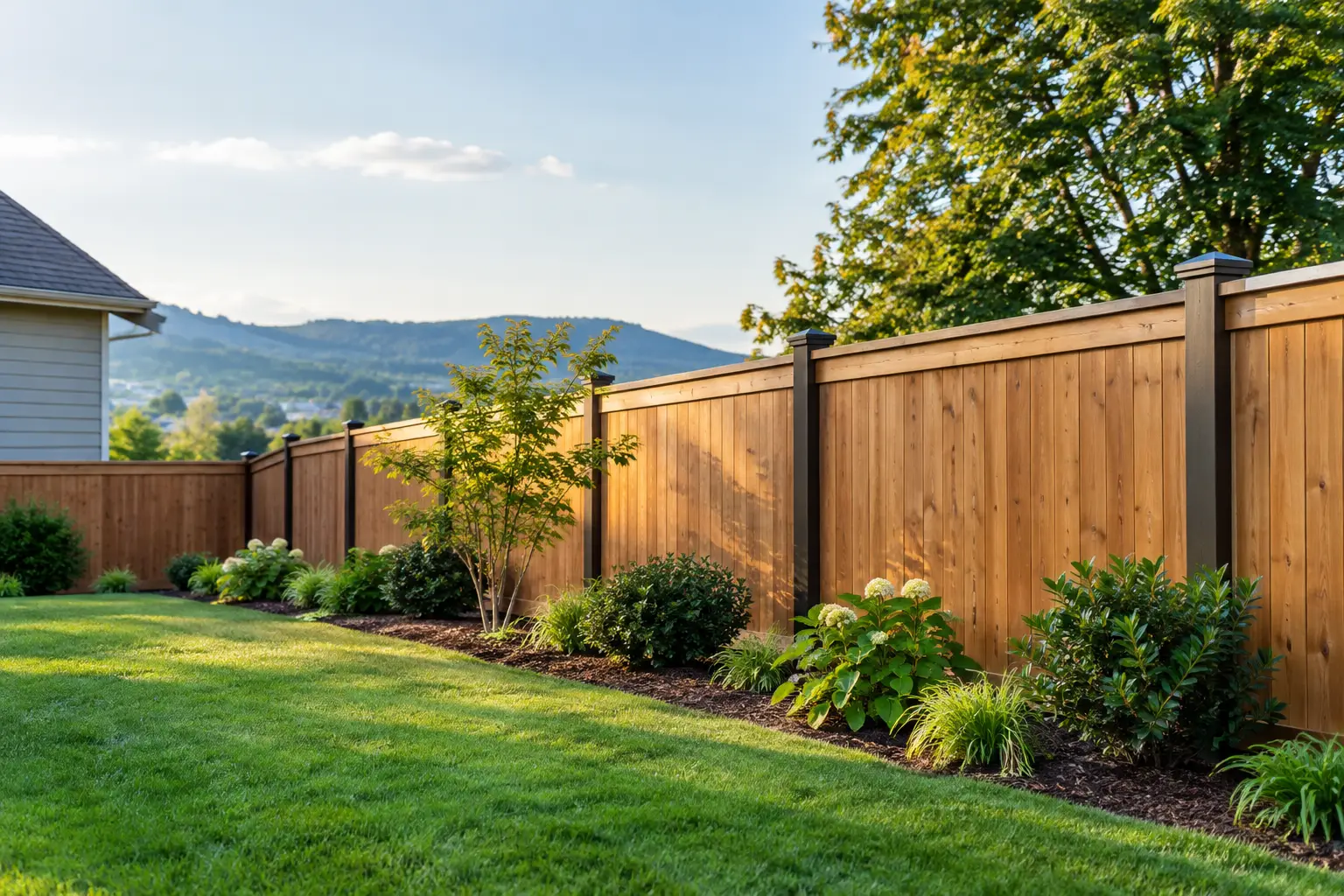
A backyard can feel exposed even when the neighbors are friendly. Whether you are building a safer play space, giving your dog room to roam, or simply enjoying dinner on the patio without feeling overlooked, privacy fencing can make your property more comfortable to use every day.
For Lynchburg homeowners, the right fence is not just a matter of choosing a height and color. Yard slope, drainage, property lines, maintenance preferences, neighborhood requirements, and the way you use the space all affect the best solution. A fence that looks good from the street should also hold up to Central Virginia weather and serve a clear purpose behind the house.
What Privacy Fencing Should Do for Your Property
A privacy fence creates a defined outdoor room. It limits views into the yard, establishes a visible boundary, and can provide dependable containment for children and pets when designed with secure gates and appropriate spacing. It may also reduce the feeling of noise from a nearby street, although a typical residential fence will not completely block sound.
The best privacy fence balances function with the character of the home. A tall, solid fence may be ideal around a patio, pool area, or busy backyard, while a shorter or more open fence can make sense along the front or side of a property where visibility matters. Not every section of a yard needs the same level of screening.
Before selecting a material, consider what you want to change about the space. If the main concern is a neighbor-facing deck, a carefully placed privacy section may solve the problem without enclosing the entire yard. If a new puppy needs a safe perimeter, gate placement and the fence’s bottom clearance deserve just as much attention as privacy.
Wood vs. Vinyl Privacy Fencing
For most residential privacy projects, wood and vinyl are the two primary choices. Both can create a solid backyard boundary, but they have different strengths, appearance options, and long-term care needs.
Wood offers a traditional, flexible look
Wood privacy fencing remains a popular choice because it works well with many home styles and can be built for a more customized look. Homeowners may prefer the warmth of natural wood, a classic board-on-board design, or a cap-and-trim detail that gives the fence a more finished appearance.
Wood can also adapt well to yards with changes in grade. Depending on the layout, the fence can follow the slope of the ground or be stepped in sections. That flexibility is useful on many Central Virginia properties, where a backyard is rarely perfectly flat.
The trade-off is maintenance. Wood needs periodic attention to protect its appearance and service life. Staining or sealing, cleaning, and addressing loose boards or minor damage early can help prevent larger repairs. Exposure to sun, rain, and ground moisture can eventually cause fading, warping, or rot, especially when installation details do not allow for proper drainage and clearance.
Vinyl provides low-maintenance privacy
Vinyl fencing is a strong option for homeowners who want a clean, consistent appearance with less routine upkeep. It does not need painting or staining, and a basic wash can usually remove typical dirt and pollen. White vinyl is a familiar choice, though other colors and styles may be available depending on the fence system.
A vinyl privacy fence can be especially appealing around a pool, patio, or newer home where a crisp, uniform look is the goal. It is also a practical choice for busy households that would rather spend weekends using the backyard than maintaining it.
Vinyl is not maintenance-free, and it is not the right answer for every site. Damage from impact can require panel or component replacement, and the installation must be properly supported and aligned. Quality materials and careful post installation matter because the fence needs to stay straight through seasonal weather changes.
Plan Around Your Yard Before Choosing a Fence
A good fence plan begins at the property itself, not with a photo of a finished project. A free on-site estimate gives homeowners the chance to walk the yard with a fencing professional and discuss the details that affect the installation.
Property lines should be understood before posts are set. Existing survey markers, plats, and neighborhood requirements can help clarify where the fence belongs, but homeowners should not assume that an older fence marks the legal boundary. When there is uncertainty, addressing it before construction can prevent an expensive correction later.
Terrain is another important factor. Slopes, retaining walls, drainage paths, mature trees, and buried utilities all influence the layout. A fence line may need to adjust around a large tree, maintain access to a utility area, or account for water that moves across the yard after heavy rain. These are practical site conditions, not minor details.
Gate location deserves early planning as well. A gate should be wide enough for how the yard is used. A narrow walk gate may be enough for daily access, while a wider opening can be helpful for lawn equipment, trash bins, or future landscaping work. Gates also need room to swing and should be placed where they are convenient without creating an easy path out of the yard for a child or pet.
Height, Style, and Local Considerations
Many homeowners think of six-foot fencing when they picture backyard privacy, but the best height depends on the yard and applicable rules. A shorter fence may provide enough screening where houses sit at different elevations. In other cases, a taller fence may still leave a deck or second-story window visible.
Neighborhood associations and local requirements can affect fence height, placement, materials, and the portion of the yard that may be enclosed. Rules often differ between front, side, and rear yards. Checking those requirements before installation helps keep the project moving and prevents avoidable changes after the fence is built.
Style also affects how the fence feels from both sides. A standard solid-panel design gives strong screening. Board-on-board wood fencing creates privacy while allowing the boards to expand and contract more naturally. Decorative top details can soften a long fence line, while a simple, clean design may better match a modern exterior.
If the project includes a pool area, safety requirements should guide the design. Pool fencing may need specific gate latches, heights, openings, and self-closing features. Privacy is valuable around a pool, but safe access control comes first.
Installation Details That Affect Fence Life
A privacy fence is only as dependable as its installation. Posts need to be set at appropriate depths and spaced correctly for the selected material and the conditions of the site. A fence that is not laid out carefully can look uneven, bind at the gates, or show problems as the ground settles.
Professional installation also helps address the everyday details that are easy to overlook: keeping consistent lines across a sloped yard, aligning panels, placing posts around obstacles, and finishing corners cleanly. Those details affect curb appeal, but they also affect how the fence performs over time.
For wood fencing, the relationship between the boards and the ground matters. Boards set too close to soil can hold moisture and wear faster. For vinyl, secure posts and properly fitted rails help the system stand up to normal use and weather. In either case, hardware and gate construction should match the job rather than being treated as an afterthought.
Repair or Replacement: How to Decide
An existing fence does not always need to be replaced. A repair can be a sensible choice when damage is limited to a few boards, rails, pickets, or a gate. Repair is often worthwhile when the rest of the fence is stable and still provides the privacy or containment your household needs.
Replacement becomes more practical when posts are failing, sections are leaning, wood has widespread rot, or repeated repairs are no longer producing a reliable result. It may also be time to replace a fence when your needs have changed. A chain-link enclosure that worked for a previous owner may not provide the privacy you want for a new patio, children’s play area, or active dog.
Liberty Fence LLC helps Lynchburg-area homeowners evaluate those decisions on site. Looking at the full fence line, not only the most damaged section, makes it easier to choose a repair or replacement plan that makes sense for the property.
The most useful privacy fence is one that fits the way you live outside. Start with the areas where privacy, safety, or pet containment matter most, then build a plan around your yard’s layout and the material you are comfortable maintaining. A clear on-site conversation can turn a general idea for more privacy into a fence that feels right from the first day it is installed.