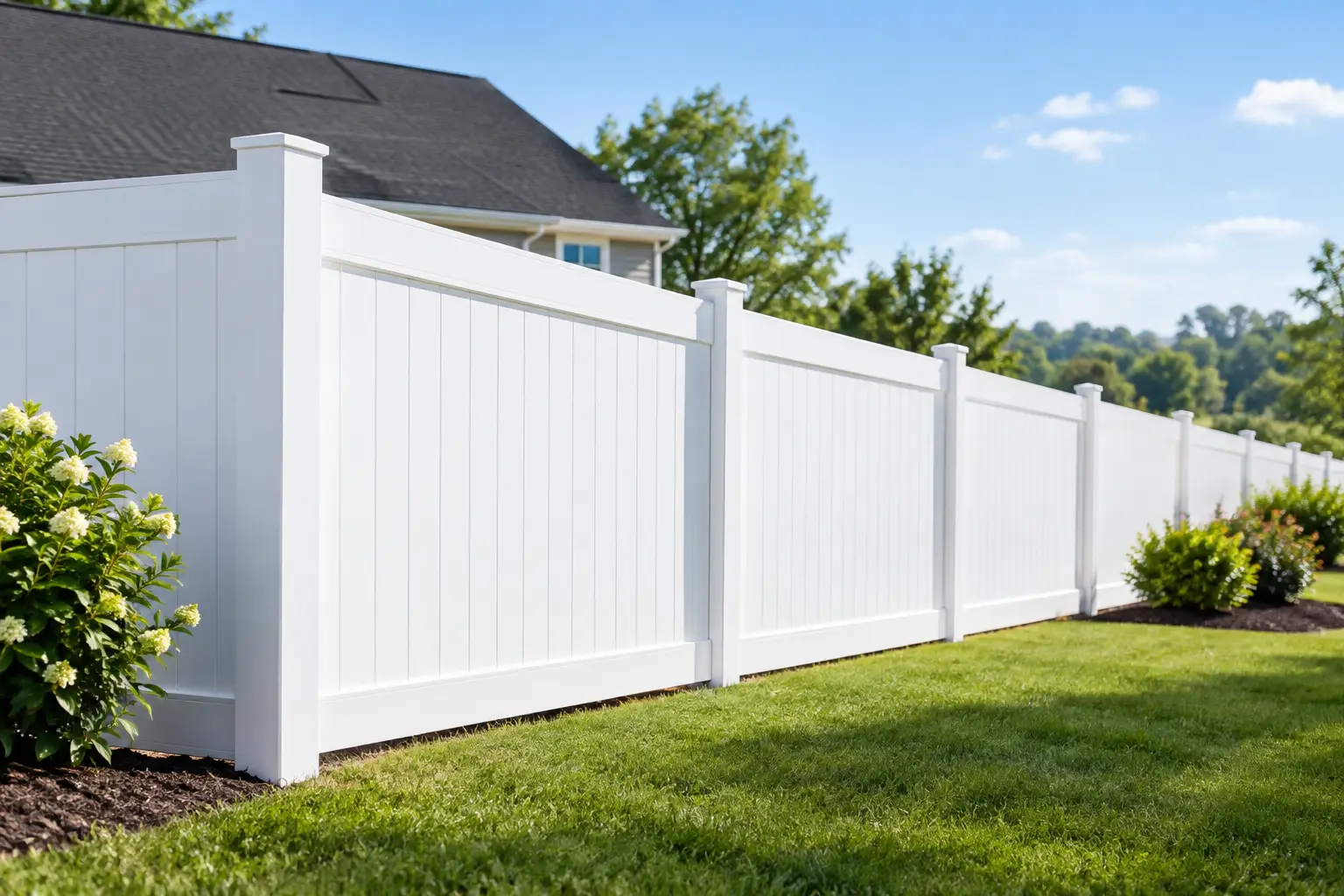
A vinyl fence can still look clean and do its job long after many homeowners would expect a wood fence to need major attention. So, how long does vinyl fencing last? For most residential properties, a quality vinyl fence that is properly installed can last 20 to 30 years or more. Its actual lifespan depends on the product, the installation, the yard conditions, and how the fence is treated over time.
For homeowners in Lynchburg and across Central Virginia, vinyl is often a practical choice when privacy, pet containment, and low maintenance matter. It does not rot, absorb moisture, or need routine painting and staining. That does not mean every vinyl fence performs the same way, though. Choosing the right system and installing it correctly are what turn a low-maintenance fence into a long-term investment.
How Long Does Vinyl Fencing Last?
A well-made vinyl fence commonly lasts two to three decades. Some systems remain serviceable beyond that range, particularly when they are installed on stable posts and receive basic care. Unlike wood, vinyl will not decay after repeated exposure to rain, humidity, and ground moisture. It is also not vulnerable to termite damage.
The 20-to-30-year estimate is a useful planning range, not a guarantee for every yard. Thin, lower-grade panels may become brittle or fade sooner. A fence that is hit by a falling limb, backed into by a vehicle, or repeatedly stressed by an active gate may need repairs regardless of its age. On the other hand, a sturdy residential-grade fence on a well-prepared site can provide dependable privacy for many years.
Vinyl fencing tends to age gradually. Rather than showing widespread rot or peeling finish, the usual signs of age are surface dullness, minor discoloration, loose hardware, or isolated damage to a panel or post. In many cases, a damaged component can be replaced without replacing the entire fence.
What Affects a Vinyl Fence's Lifespan?
The material itself matters, but several practical details have just as much influence on how long a fence lasts.
Vinyl quality and fence design
Not all vinyl fence sections are built to the same standard. Better systems typically use thicker rails and panels, reinforced structural components where needed, and UV inhibitors that help the material hold its color under sun exposure. A heavier privacy fence can also be better suited to a large yard or an exposed property line than a lightweight panel designed for a small decorative application.
Color is worth considering, too. White vinyl remains a popular option because it works with many home styles and generally makes minor fading less noticeable. Darker vinyl fences can look sharp, but they may absorb more heat and show weathering differently over time. The right choice depends on the look you want and the amount of direct sun in the yard.
Installation quality
Fence posts carry the load of the entire system. If posts are not set to the appropriate depth, aligned correctly, or secured for the site conditions, panels can lean, gates can sag, and wind can place extra stress on the fence. Those issues are installation problems, not simply a vinyl problem.
Central Virginia properties can include slopes, uneven ground, wet areas, and hard soil. A professional site assessment helps determine the fence layout, post placement, gate location, and approach for changes in elevation. Proper spacing and stable posts help panels stay straight and allow the fence to handle ordinary seasonal movement.
Wind, storms, and falling debris
A solid privacy fence catches more wind than an open aluminum or chain-link fence. This does not make vinyl a poor choice, but it does mean layout and installation deserve attention in open or windy areas. Mature trees can also create a separate risk. Heavy branches may crack panels or damage rails during storms.
After severe weather, walk the fence line and look for leaning posts, cracked sections, separated rails, and loose gate hardware. Addressing one damaged area early can keep it from placing strain on the sections beside it.
Gates and everyday use
Gates are moving parts, so they usually need more attention than the rest of the fence. Children, pets, lawn equipment, and frequent use all put stress on hinges, latches, and posts. Avoid letting a gate swing freely in high winds or using it as a support when moving heavy items through the yard.
A correctly sized and installed gate should open and latch without dragging. If it begins to sag or becomes difficult to close, repair it promptly. Waiting can put unnecessary pressure on the gate post and nearby fence sections.
Vinyl Fence Care Is Simple, Not Zero
One reason homeowners choose vinyl is that it eliminates the repeated staining, sealing, and painting associated with many wood fences. Still, a little routine care protects its appearance and makes small issues easier to catch.
Wash the fence once or twice a year with a garden hose, mild soap, and a soft brush or cloth. This removes pollen, dirt, grass residue, and ordinary outdoor buildup. For stubborn spots, use a cleaner intended for vinyl surfaces and follow the product directions. Avoid abrasive pads, harsh solvents, and tools that can scratch the finish.
Keep shrubs, vines, and tree limbs trimmed back from the fence. Vegetation can trap moisture and debris, hide damage, and make cleaning harder. It is also wise to avoid piling soil, mulch, or landscaping materials against the bottom rail. Good clearance keeps the fence easier to inspect and helps prevent staining.
During routine yard work, use care around the fence line. String trimmers can mark or damage the lower portion of panels, while mowers and equipment can strike posts and gates. These are small habits, but they matter over a fence's lifetime.
When Vinyl May Not Be the Best Fit
Vinyl is an excellent option for many privacy and boundary fences, but every material involves trade-offs. Homeowners who want a highly natural appearance, the ability to repaint later, or a custom look may prefer wood. Those who need an open view around a pool or along a scenic part of the property may find aluminum fencing more suitable. Chain-link can be a cost-conscious, practical choice for pet containment and larger yards.
Vinyl can also have a higher upfront cost than some basic fence options. Its value comes from reduced ongoing maintenance and a long service life, not necessarily from being the lowest initial-price choice. A free on-site estimate is the best time to compare materials against your property's layout, privacy needs, and budget.
Signs Your Vinyl Fence Needs Repair
A vinyl fence does not need to be old to need attention. Repair may be appropriate if you see a leaning or loose post, a cracked panel, a rail that has come out of place, a gate that drags, or hardware that no longer latches securely. Localized repairs can often restore the fence's function and appearance before the problem spreads.
Discoloration alone is usually cosmetic and does not mean the fence is failing. Structural changes are the bigger concern. If the fence no longer stands straight, contains a gap that could let a pet out, or has a gate that will not secure properly, it is time to have the system evaluated.
For Central Virginia homeowners, vinyl fencing offers a durable way to create a private, usable yard without committing to regular painting or staining. Liberty Fence LLC can evaluate your site, explain the material options, and provide a free on-site estimate based on how you want your fence to work for your home. A fence built for the property and cared for with a few simple habits can remain a reliable part of the yard for decades.