A fence can solve a very specific problem: the dog needs a secure place to run, the backyard feels too exposed, or a pool area needs a clear safety barrier. The right fence contractors start with that real-life need, then look at the property itself. A good installation is not just about putting posts in the ground. It is about creating a yard that works better for the people, pets, and routines it serves.
For homeowners in Lynchburg and Central Virginia, the best choice often comes down to a few practical questions. What does the fence need to do? How much maintenance are you comfortable with? Is the yard level, sloped, wooded, or close to a neighbor's property line? Answers to those questions guide the material, layout, height, gate placement, and installation approach.
Start With What Your Fence Needs to Do
Most residential fence projects begin with one primary purpose, even when the finished fence delivers several benefits. A privacy fence may also keep pets safely in the yard. An aluminum fence around a pool can add safety while preserving an open view. Chain link can define a boundary and create dependable containment without requiring the visual coverage of a solid fence.
Being clear about the main job helps prevent a common mistake: choosing a fence only by appearance. A style that looks good in a photo may not provide the privacy, strength, visibility, or maintenance level your property needs.
Homeowners often install fencing for privacy, pet containment, child safety, security, pool-area safety, boundary definition, or curb appeal. These goals can overlap, but each calls for different decisions. For example, a small dog may need a fence with limited gaps near the ground, while a large, active dog may need a taller layout and a carefully planned gate. A backyard used for entertaining may benefit from a privacy design that screens neighboring views without making the space feel closed in.
How Fence Contractors Evaluate Your Property
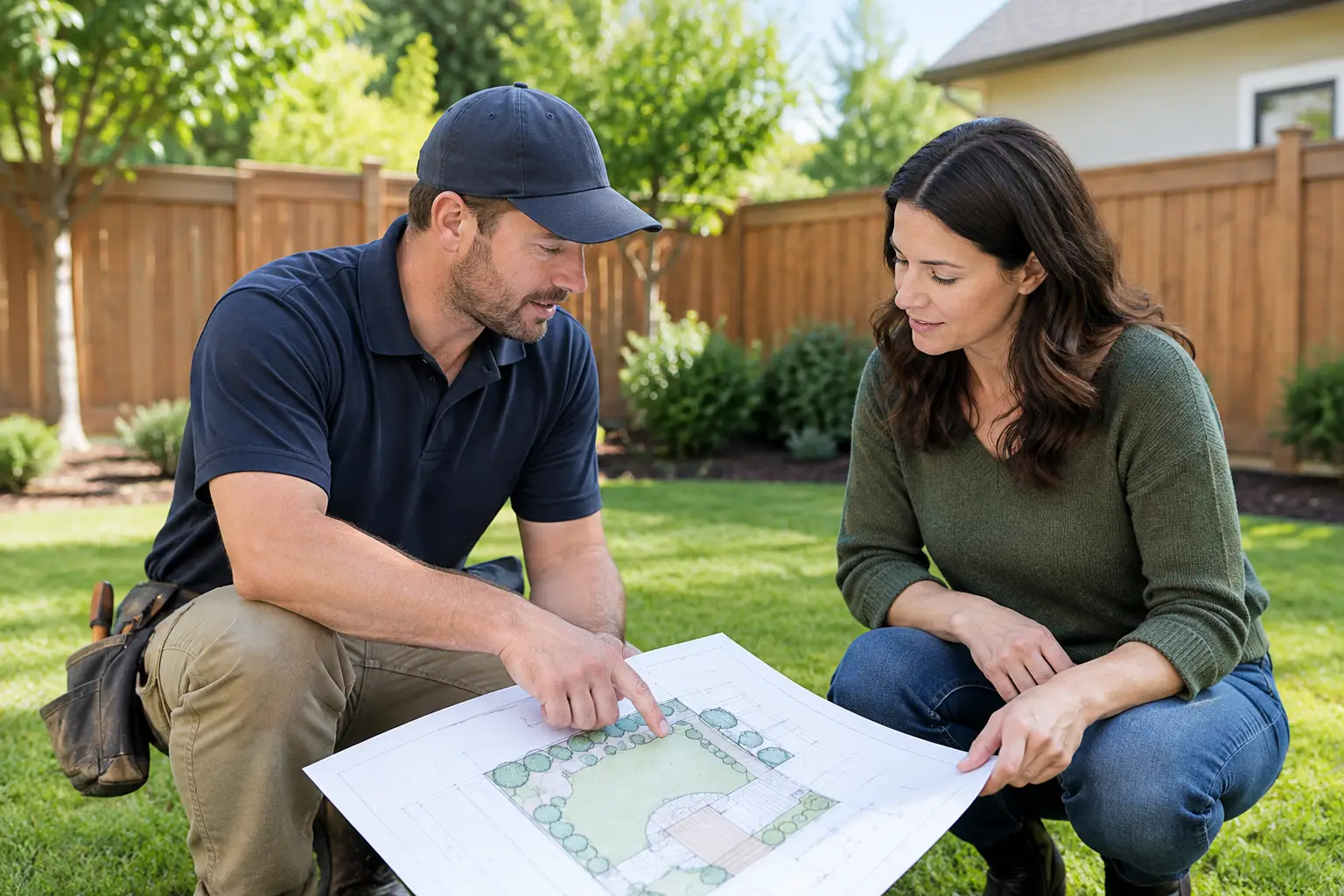
An on-site estimate is where a general idea becomes a workable project plan. The installer can see grades, corners, trees, utility areas, existing structures, and access points that are hard to judge from a rough measurement or online image. This step helps determine where the fence can go and how it should be built.
Property layout matters more than many homeowners expect. A fence on a level, open lot may be straightforward. A yard with slopes, retaining walls, mature landscaping, or uneven ground may need a different approach to keep the fence line secure and visually consistent. Gates also deserve careful attention. They should be placed where people will actually use them, whether that is near a driveway, patio, garage, garden, or side entrance.
A residential fencing contractor should also encourage homeowners to confirm property lines and review neighborhood, HOA, or local requirements before installation begins. Fence height, placement, and pool-barrier rules can affect the design. Taking care of these details early helps avoid unwanted changes after materials are ordered or work has started.
Choose the Material That Fits Your Yard
There is no single best fence material for every Lynchburg home. Each option has a different balance of appearance, maintenance, privacy, durability, and cost. The right choice depends on what matters most to your household.
Wood Privacy Fences
Wood remains a popular choice for homeowners who want a traditional look and meaningful backyard privacy. It can work well around patios, play areas, and property lines where a solid visual barrier is the priority. Wood also offers flexibility in style, from simple privacy panels to more decorative designs.
The trade-off is ongoing care. Wood is exposed to Central Virginia rain, humidity, sun, and seasonal temperature changes. Regular inspection and appropriate maintenance can help protect its appearance and extend its service life. For homeowners who value the warmth and character of natural wood, that maintenance may be well worth it.
Vinyl Fences
Vinyl fencing is a practical option when low maintenance and a clean, consistent appearance are high priorities. It is available in privacy styles as well as more open designs, making it useful for a range of residential needs. Vinyl does not require painting or staining, which appeals to homeowners who want less routine upkeep.
It is still important to choose a design appropriate for the property and intended use. A solid vinyl privacy fence creates a different feel from a spaced-picket style, and gate locations should be planned carefully from the start. The goal is a finished system that looks intentional and functions well every day.
Chain-Link Fencing
Chain-link fencing is a reliable choice for pet containment, yard definition, and practical security. It is often a sensible fit for larger areas or homeowners who want a durable enclosure without the cost of a full privacy fence. Because it remains open, chain link can preserve views and allow light through the yard.
The compromise is privacy. If screening is your main concern, chain link may not be the first choice unless it is paired with landscaping or another solution. For many pet owners, however, its straightforward function and dependable containment make it a strong residential option.
Aluminum Fences
Aluminum fencing is well suited to homeowners who want an attractive, open look with minimal maintenance. It is commonly chosen for pool areas, front yards, and properties where preserving a view matters. Its clean lines can complement many home styles without blocking the landscape.
Because aluminum is not a solid barrier, it does not provide privacy on its own. It is also not the same solution as a fully enclosed wood or vinyl fence for every pet or security concern. Still, for pool safety, boundary definition, and polished curb appeal, it can be an excellent fit.
Installation Quality Affects the Whole Fence
Materials matter, but installation determines how the fence performs over time. Properly set posts, straight runs, well-aligned gates, and thoughtful transitions across changing terrain all make a difference. A fence should feel solid when it is used, and its gates should open and close reliably without dragging or sagging.
This is especially relevant on sloped Central Virginia properties. The fence may need to follow the grade or be stepped in sections, depending on the material, the slope, and the amount of clearance needed below the fence. Neither approach is automatically better. The right method depends on the yard and the fence's purpose. A contractor should explain the available options in clear terms before work begins.
Existing fencing also deserves an honest assessment. Sometimes a targeted repair can restore a gate, replace damaged sections, or correct a localized problem. In other cases, widespread rot, leaning posts, or repeated damage may make replacement the more practical long-term choice. The most useful recommendation is the one that matches the fence's actual condition, not a one-size-fits-all answer.
Questions to Ask Before You Hire Fence Contractors
A homeowner should feel comfortable asking direct questions before committing to a fence project. Ask how the contractor will evaluate the layout, how gates and corners will be planned, what the installation process includes, and whether repair is a realistic option for an existing fence. It is also reasonable to ask for help comparing materials based on your priorities rather than simply selecting the least expensive option.
A free on-site estimate is valuable because it creates room for that conversation. Instead of guessing from standard measurements, you can discuss the yard in person and consider choices that fit its conditions. Liberty Fence LLC approaches residential projects this way, helping homeowners match wood, vinyl, chain link, or aluminum fencing to the needs of their property.
The best fence decision is usually the practical one: a material you will be comfortable maintaining, a layout that supports daily use, and an installation plan that respects the shape of your yard. Start with the problem you want the fence to solve, then use an on-site estimate to turn that need into a clear plan for your home.