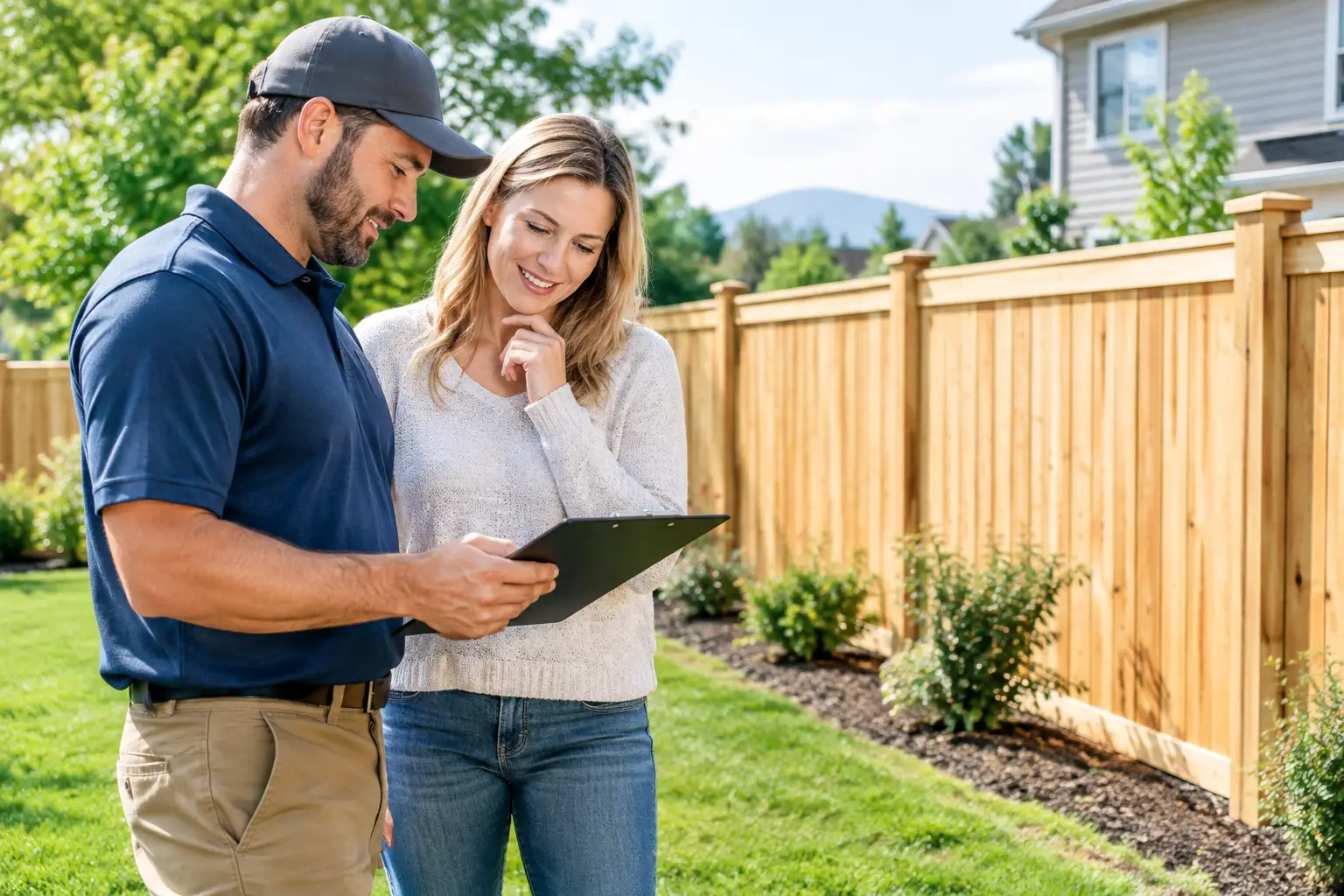
A fence project usually starts with a simple need: the dog needs a secure place to run, the backyard feels too exposed, or an aging fence is no longer doing its job. A free fence estimate Lynchburg homeowners can schedule on-site turns that need into a practical plan based on the actual yard, not a guess from a photo or a per-foot price online.
Every residential property is different. Slopes, trees, existing gates, utility locations, lot lines, pool areas, and neighborhood requirements can all affect the design and cost of a fence. An on-site estimate gives you an opportunity to discuss what you want the fence to accomplish and receive recommendations that fit the property.
What a Free Fence Estimate in Lynchburg Should Cover
A useful estimate is more than a quick measurement around the edge of the yard. It should begin with a conversation about how you use the space. A family with young children may need a secure enclosure and dependable gate placement. A homeowner replacing a worn privacy fence may care most about appearance, durability, and a clean property line. Someone with an active dog may need a fence height and layout that provide reliable containment.
During an on-site visit, the contractor can assess the fence line, identify changes in grade, note obstacles, and discuss access to the work area. These details matter because a straight run across level ground is not the same project as a fence that follows a wooded boundary or a sloped backyard.
The estimate should also clarify the proposed material, approximate layout, gate locations, and the scope of installation. If repairs are the better option, that should be part of the discussion as well. Some damaged fences can be repaired effectively, while others may have widespread post, rail, or panel issues that make replacement the more practical long-term choice.
Start With the Purpose of Your Fence
Choosing a fence is easier when the purpose is clear. Privacy, security, pet containment, pool-area safety, boundary definition, and curb appeal can each point toward a different material or design.
A wood privacy fence is often the right choice for homeowners who want to create a more private backyard. It can provide substantial screening and a traditional appearance that works well with many Lynchburg-area homes. Wood does require maintenance over time, and its appearance can change with weather exposure, but it remains a popular option for privacy-focused projects.
Vinyl fencing offers a clean, consistent look with low routine maintenance. It can work well for privacy fencing, decorative boundaries, and family yards where homeowners prefer not to paint or stain. The upfront investment may be higher than some wood options, so the decision often comes down to budget, preferred style, and long-term maintenance expectations.
Chain-link fencing is a practical choice for securing a yard, containing pets, or defining a boundary without blocking the view. It is often a cost-conscious option for larger areas. It does not provide privacy on its own, which is an important trade-off for homeowners whose main goal is screening from neighboring properties.
Aluminum fencing is frequently selected for its open appearance and refined look. It is especially well suited to pool areas, front-yard boundaries, and properties where homeowners want security without closing off the view. Aluminum does not offer privacy, but it can add a polished finish while providing a durable perimeter.
The Right Material Depends on the Yard
There is no single best fence for every Lynchburg home. A steep lot may call for a different installation approach than a flat yard. A fence around a pool must be planned with safety and applicable requirements in mind. A homeowner who wants privacy along one side of the property may prefer a different material there than around the rest of the yard.
That is why an on-site estimate matters. It gives you room to compare options based on your priorities instead of choosing a material solely by appearance or a general price range.
Why On-Site Measurements Matter
Online fence calculators can be helpful for early planning, but they cannot account for the conditions that shape a real installation. A measurement taken from an aerial image may not reflect the route a fence needs to follow, the usable access points for installation, or the changes in elevation across the lot.
An in-person assessment helps establish a more realistic project scope. It can identify where gates make the most sense for mowing, trash access, entertaining, or bringing equipment into the yard. It also allows the contractor to look at existing fencing that may need to be removed, connected to, or repaired.
Property boundaries deserve careful attention as well. A fence contractor can discuss the proposed fence line, but homeowners should know where their property lines are and review any subdivision, homeowners association, or local requirements that may apply. Confirming these items before installation helps avoid unnecessary changes later.
Questions to Ask During Your Estimate
A free estimate is your chance to get clear answers before making a decision. You do not need extensive fencing knowledge to have a productive conversation. Start with the daily problem you want to solve, then ask how each material and layout would address it.
Ask which fence options fit your privacy, safety, or containment goals. Ask how the proposed fence will handle slopes, corners, trees, and existing structures. If gates are part of the project, ask about their placement, width, and how they will be used day to day.
It is also reasonable to ask about maintenance. Wood, vinyl, chain-link, and aluminum have different care needs and different visual results. Knowing what to expect after installation can help you select a fence that fits not only your yard but also the amount of upkeep you want to take on.
Finally, make sure the estimate describes what is included. Clear communication about the materials, installation area, gates, removal of old fencing when applicable, and repair scope helps homeowners compare options with confidence.
When Fence Repair May Be the Better Choice
Not every fence problem requires a full replacement. A leaning gate, damaged section, loose rail, or isolated post issue may be repairable when the rest of the system is in sound condition. Repair can be a sensible way to restore function and extend the life of an existing fence.
However, repeated repairs can become less practical when deterioration is widespread. If posts are failing throughout the fence line, multiple panels are damaged, or the fence no longer meets your privacy or containment needs, replacement may offer better value. An on-site assessment can help distinguish between a targeted repair and a project that needs a fresh start.
A Local Plan for a More Useful Yard
Liberty Fence LLC provides residential homeowners in Lynchburg and Central Virginia with professional installation and repair options for wood, vinyl, chain-link, and aluminum fencing. The goal of an estimate is not to pressure you into a one-size-fits-all choice. It is to give you a clear path from the problem you see in your yard to a fence that fits how you live there.
Before scheduling, consider what is not working now. Maybe you want a private place for morning coffee, a safe area for children to play, a dependable boundary for a pet, or a better-looking front yard. Bring those priorities to the visit, along with any questions about materials, gate placement, or the existing fence.
A good fence should make your property easier to enjoy every day. A free on-site estimate is a straightforward first step toward choosing the right one.