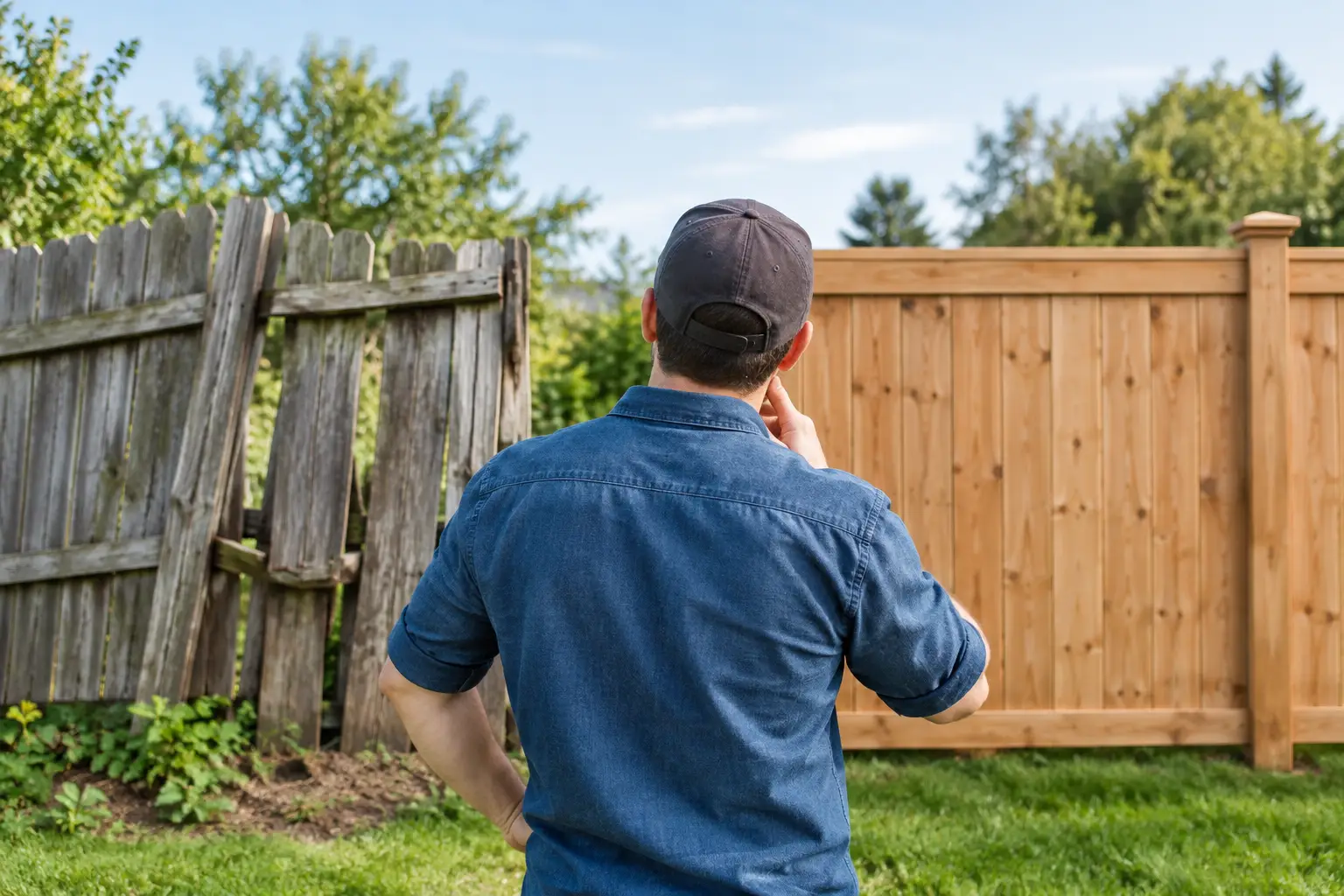
A missing or broken fence panel can change how your whole yard feels. Privacy drops, pets may find an opening, and a fence that once looked well cared for can quickly become a safety concern. Fence panel replacement is often a practical way to restore a residential fence after wind damage, rot, impact damage, or years of normal wear. The right repair depends on more than the panel itself. Posts, rails, fasteners, material type, and the condition of the surrounding fence all matter.
For homeowners in Lynchburg and Central Virginia, weather is often part of the story. Heavy rain, saturated soil, wind, falling limbs, and seasonal temperature changes can expose weaknesses that have been building for years. Replacing one damaged section may be the right solution, but only if the rest of the fence can support it.
When Fence Panel Replacement Makes Sense
Replacing an individual panel is usually a sensible repair when the damage is limited and the fence structure remains sound. A wood privacy fence may have a few broken pickets or a sagging section after a storm, while the posts and rails remain solid. Vinyl fencing can develop a cracked panel from an impact, even though the adjoining posts are stable. In these situations, a targeted repair can restore the fence's appearance and function without replacing a longer run.
A panel replacement is also worth considering when you want to preserve a fence that is otherwise in good condition. If the material, style, and color can be reasonably matched, the repaired area should blend with the existing fence over time. With wood, a new section may look lighter at first, but staining or sealing the repaired area can help reduce the contrast.
The key question is whether the panel failed on its own or because another component failed first. A panel that blew loose may simply need new fasteners. A panel that leans because its post is loose needs a more complete repair.
Check the Posts Before Replacing the Panel
Fence panels depend on the posts that hold them in place. Installing a new panel between failing posts may make the fence look better briefly, but it does not correct the underlying problem.
Wood posts should be checked near ground level, where moisture can cause rot below the surface. Signs of trouble include a post that moves when pushed, visible splitting, soft wood, a noticeable lean, or rails pulling away from the post. In Central Virginia's wet periods, soil movement and drainage can also affect post stability. A post can look acceptable above ground while losing strength below it.
Vinyl and aluminum systems have different concerns. Their posts may remain intact while brackets, rail connections, or internal supports become damaged. Chain-link fencing may need a new fabric section, tension bar, rail, or line post rather than what most homeowners think of as a panel. Each material has its own repair method, which is why a quick on-site assessment can prevent a repair that does not last.
Signs the Repair May Be Larger Than One Panel
A single-panel replacement may not be enough if several sections are leaning, multiple posts are loose, rails are rotted across the fence line, or the same area has needed repeated repairs. Widespread discoloration, cracking, warping, or brittle material can also indicate that the fence is reaching the end of its useful life.
This does not automatically mean the entire fence must be replaced. Sometimes a damaged side of the yard can be rebuilt while an undamaged section remains in service. The most practical choice depends on the fence's age, the extent of deterioration, and your plans for the property.
Material Matters During a Fence Repair
A repair should match the fence's purpose as well as its appearance. A backyard privacy fence has different requirements than a pool-area aluminum fence or a chain-link enclosure for a dog.
Wood Privacy Fence Panels
Wood remains a common choice for residential privacy fencing because it offers a solid visual barrier and can be built in styles that fit many homes. Individual pickets, rails, or full sections can often be replaced. The trade-off is that wood requires attention over time. Moisture, insects, sun exposure, and ground contact can all shorten its lifespan when maintenance is delayed.
For a wood fence repair, matching board size, picket style, rail placement, and fence height is important. A new panel should be properly secured and aligned so it does not create uneven gaps or put extra stress on neighboring sections.
Vinyl Fence Panels
Vinyl fencing offers a clean appearance and does not need painting or staining. When damage is isolated, replacement panels or rails may be a good solution. However, older vinyl can fade, and exact color or profile matches are not always available. A professional can help determine whether a replacement section will fit the existing system and whether the posts are still properly set.
Chain-Link Fence Sections
Chain-link fencing is a durable, practical option for pet containment, boundary definition, and security. Damage may involve bent fabric, a damaged top rail, loose tension wire, or a leaning post. Replacing the affected fabric or hardware can often restore the enclosure without rebuilding the entire fence. Proper tension is essential, especially if the fence is used to keep active dogs safely contained.
Aluminum Fence Panels
Aluminum fencing is often selected for curb appeal, visibility, and pool-area safety. A bent or damaged section can sometimes be replaced while preserving the rest of the fence. Because aluminum fence systems use specific panel widths and connections, matching the style and ensuring secure attachment are important. A repair around a pool should also maintain the fence's intended safety function, including reliable gates and latches.
Storm Damage Should Be Addressed Promptly
After a storm, it can be tempting to push a loose panel back into place and wait. That approach may work for a day or two, but a weakened section can create larger damage during the next round of wind or rain. A loose panel can pull on adjacent rails, twist a post, or create an opening large enough for a pet or child to pass through.
Take a close look after high winds, fallen branches, or periods of standing water near the fence line. If a section is unstable, keep children and pets away from it until it can be secured. Avoid leaning heavy objects against a damaged fence, since extra pressure can turn a repairable section into a broader rebuild.
If the fence is on or near a property boundary, do not assume the repair details without confirming ownership and responsibility. A clear discussion with a neighbor can prevent confusion before work begins, especially when a repair changes the appearance of a shared fence line.
Choosing Repair Versus Replacement
The lowest immediate cost is not always the best value. Replacing one panel is usually less expensive than rebuilding a full fence run, but repeated repairs on aging materials can add up. If several panels are failing and posts are deteriorating, a more complete replacement may offer better long-term value, improved appearance, and fewer ongoing concerns.
Consider how you use the yard. A family relying on a fence for dog containment may prioritize a repair that is secure right away. A homeowner planning to sell may focus on curb appeal and a consistent finish. Someone updating a newly purchased home may decide that replacing an old, mismatched fence is a better fit for the property's long-term needs.
A free on-site estimate helps turn these questions into a clear plan. Liberty Fence LLC can assess the damaged area, inspect the surrounding structure, and recommend a repair or replacement approach based on the material, layout, and purpose of your residential fence.
What to Expect From a Professional Assessment
A useful fence repair assessment starts with the damaged section but does not stop there. The contractor should look at the alignment of nearby posts, the condition of rails and hardware, the terrain, and access to the work area. This helps identify whether the visible damage is isolated or part of a larger issue.
The repair plan should also account for matching materials. For wood, that may mean selecting compatible pickets and rails. For vinyl, aluminum, and chain-link systems, it means confirming the panel size, style, and components needed for a secure fit. The goal is not simply to fill a gap. It is to restore the fence so it works for privacy, safety, security, or pet containment as intended.
A damaged fence section does not always require a full replacement, but it does deserve more than a quick patch. Addressing the cause of the damage and choosing a repair that fits the rest of the system can help your yard feel private, secure, and ready to use again.