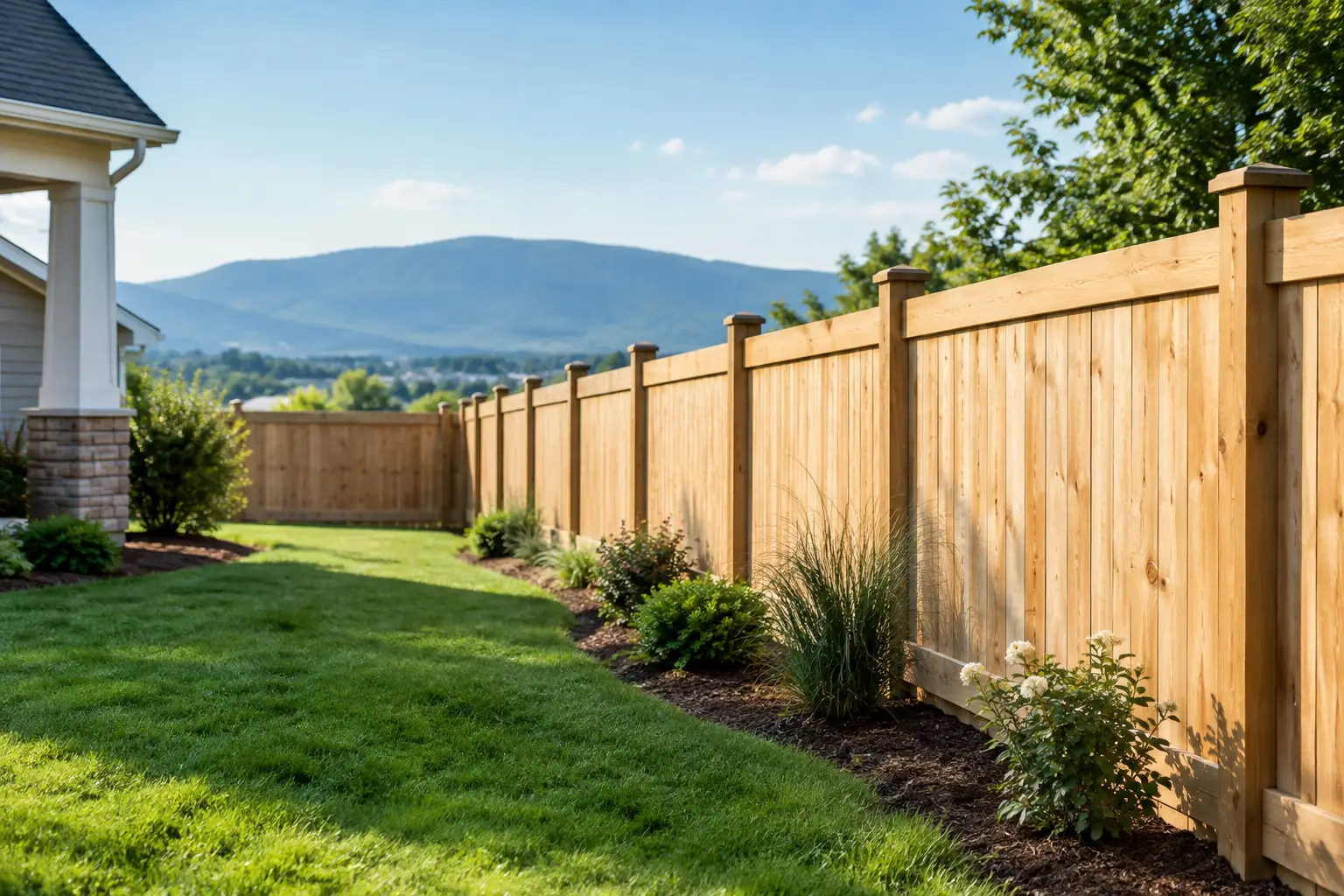
A fence should solve a real problem in your yard. Maybe your dog needs room to run without reaching the street. Maybe a new neighbor has changed the feel of your back patio. Maybe you want a safer pool area, a clearer property line, or a little more privacy for your family. The right fence installation starts with that purpose, then accounts for your property, material preferences, and long-term maintenance expectations.
For Lynchburg homeowners, a fence is rarely a one-size-fits-all project. Sloped lots, mature trees, driveways, utility locations, drainage paths, and existing structures can all affect the final plan. A professional on-site evaluation helps turn a general idea into a fence that looks right, functions well, and is built for the yard you actually have.
Start Fence Installation With the Job It Needs to Do
Before choosing a fence style, decide what the fence needs to accomplish most often. Privacy, security, pet containment, pool safety, boundary definition, and curb appeal can overlap, but they do not always call for the same material or design.
A tall wood or vinyl privacy fence may be the best fit when neighbors are close or your backyard is highly visible. Chain-link fencing often makes practical sense for a large yard, active dogs, or a budget-conscious enclosure. Aluminum fencing provides an open, polished look and is especially well suited to pool areas or properties where you want security without closing off the view.
The gate plan matters just as much as the fence itself. Think about how people, lawn equipment, trash bins, and service vehicles need to move through the space. A gate that is too narrow or placed in an inconvenient location can create a daily frustration after the project is complete.
Choose a Material That Matches Your Property
Each common residential fence material has clear strengths. The best choice depends on how you use your yard, the look you want, and how much routine upkeep you are comfortable handling.
Wood Fences for Privacy and Traditional Style
Wood remains a popular choice for homeowners who want a warm, natural appearance and strong visual privacy. A wood privacy fence can create a more comfortable backyard for outdoor meals, children at play, or quiet time on the patio. It can also be built in different styles, from straightforward solid panels to more decorative designs.
Wood requires periodic care. Central Virginia weather brings heat, rain, humidity, and seasonal temperature changes that can affect boards over time. Staining, sealing, and addressing loose or damaged boards when needed can help a wood fence continue to perform well. For many homeowners, that maintenance is a reasonable trade-off for the appearance and flexibility wood offers.
Vinyl Fences for Low-Maintenance Privacy
Vinyl fencing gives homeowners a clean, consistent appearance with less maintenance than wood. It does not require painting or staining, and it works well for privacy fencing, semi-private styles, and classic picket designs. For a homeowner who wants a finished look without planning regular refinishing work, vinyl can be a strong option.
Vinyl is not automatically the right answer for every property. Its available styles and colors are more defined than custom wood construction, and the upfront cost can be higher. Still, its easy upkeep and tidy appearance make it a dependable choice for many residential yards.
Chain-Link Fencing for Practical Enclosures
Chain-link fencing is a straightforward solution when the main goal is to contain pets, secure a defined space, or enclose a larger yard efficiently. It is durable, functional, and allows visibility through the fence. That visibility can be useful when you want to keep an eye on children or pets from the house.
For homeowners who want more privacy later, landscaping can soften the appearance of chain-link fencing. Shrubs, climbing plants, or privacy slats may help, depending on the property and desired level of coverage. Chain-link may not deliver the finished look of vinyl or aluminum, but it remains a practical choice when function is the priority.
Aluminum Fences for Open Views and Pool Areas
Aluminum fencing offers a clean, attractive perimeter without blocking the view across your property. It is a popular option for pool enclosures, front yards, garden borders, and homes with attractive landscaping or changing terrain. The material resists rust and requires minimal routine maintenance.
Because aluminum has open rails rather than solid panels, it does not provide privacy. It is best for homeowners who need a defined boundary, safety barrier, or elegant security feature while keeping the yard visually open. Pool fencing also requires careful attention to gate operation, latch placement, and applicable local requirements.
Your Yard Layout Affects the Final Design
The material is only one part of a successful fence project. The layout of your property determines where posts can go, how the fence follows the grade, and where gates will work best. A fence line that looks simple on a sketch can become more complicated around slopes, retaining walls, trees, sheds, patios, and utility equipment.
Property boundaries deserve special attention. Homeowners should have a clear understanding of where their property begins and ends before construction starts. Existing fence lines are not always accurate boundary markers, particularly on older properties. If there is any uncertainty, reviewing a survey or speaking with the appropriate professionals before installation can prevent avoidable disputes.
It is also wise to consider drainage. A fence should not interfere with the way water naturally moves through the yard or create a spot where leaves and debris collect. On sloped properties, the installation method may need to be adjusted so the finished fence remains secure and looks intentional rather than uneven.
Why Professional Installation Matters
A residential fence has to handle more than a good first impression. Posts need appropriate placement and support. Panels and rails need to stay aligned. Gates need to swing and latch reliably. The fence should meet the ground in a way that helps contain pets while accounting for changes in grade.
These details are where professional installation makes a difference. An experienced residential fencing contractor can assess the site, discuss the trade-offs among materials, and recommend a layout that serves your goals instead of simply selling a standard product. That approach is especially valuable for homeowners replacing an aging fence, working around an existing landscape, or fencing a yard for the first time.
Liberty Fence LLC provides free on-site estimates for homeowners in Lynchburg and surrounding Central Virginia communities. Seeing the property in person makes it easier to discuss material options, gate locations, terrain, and the practical details that affect the finished result.
Prepare for a Smooth Fence Project
A little preparation helps the installation process move forward with fewer surprises. Before the estimate, make a note of what you want the fence to accomplish and identify any areas that concern you, such as a steep section of yard, a pet escape route, or a place where you need wider access.
During planning, ask about the fence height, gate size, material maintenance, and how the proposed layout will work around features already in the yard. If your neighborhood has association rules or architectural requirements, review those early. Local regulations, permit needs, and pool safety requirements can vary, so they should be addressed before work begins rather than after materials are selected.
Clear access to the work area is helpful on installation day. Move outdoor furniture, toys, planters, and other items away from the planned fence line when possible. If you have pets, plan for a safe indoor space or another contained area while the yard is open during construction.
A well-planned fence does more than mark the edge of a property. It can make the yard easier to use every day, whether that means letting the dog outside with confidence, creating a more private patio, or putting a safer boundary around the spaces your family enjoys. A free on-site estimate is a practical first step toward choosing a fence that fits your home, your yard, and the way you live.