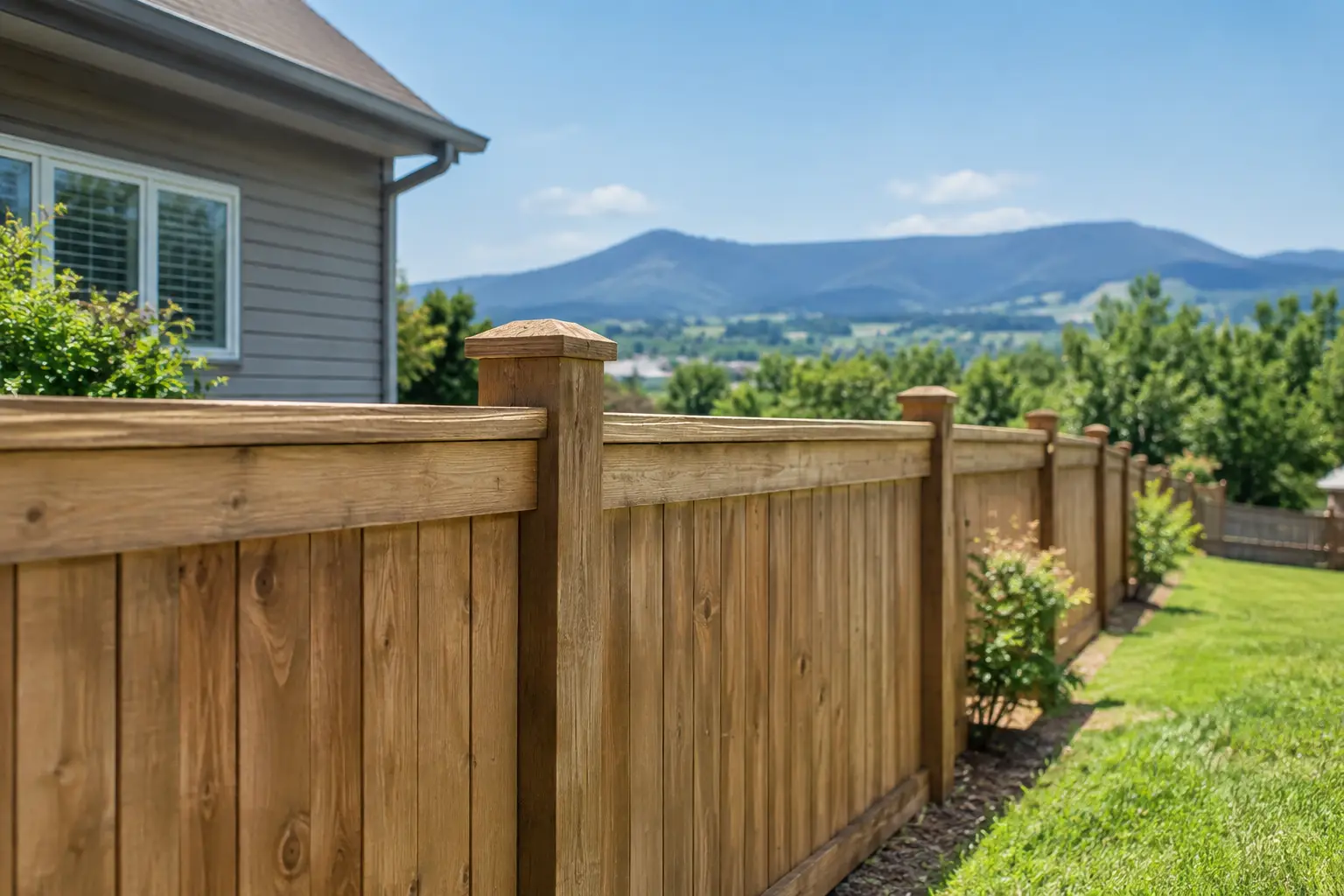
A new fence can make a backyard feel private, safer for children and pets, and more useful every day. But before posts go in the ground, many homeowners ask, “do I need permit for fence work?” The honest answer in Lynchburg and throughout Central Virginia is: possibly. Permit requirements can depend on where the property is located, the fence height and placement, and whether the project involves a pool, corner lot, easement, or neighborhood association.
A little planning at the beginning can prevent a fence from being moved, altered, or delayed later. The best approach is to confirm the rules that apply to your specific address before choosing a final layout or scheduling installation.
Do I Need a Permit for a Fence?
Some residential fence projects may not require a building permit, while others do. Local rules can change, and requirements are not always the same inside Lynchburg city limits as they are in nearby counties or towns. A fence that is straightforward in one neighborhood may need additional review in another.
Start by contacting the local zoning, planning, or building office that has jurisdiction over your property. Ask whether your planned fence requires a permit and whether there are restrictions related to height, setbacks, visibility, or placement. Be ready to describe the material, proposed height, approximate location, and whether the fence will enclose a pool.
Do not assume an existing fence proves that a new fence is allowed in the same spot. Older fences may have been installed under different rules, may not meet current requirements, or may sit slightly inside a property line. Checking first is less frustrating than correcting a finished project.
Fence Placement Matters as Much as Fence Height
Homeowners often focus on the height of a privacy fence, but placement can be just as important. Regulations may treat front yards, side yards, and backyards differently. A tall wood privacy fence that works well behind a home may not be permitted near the street-facing portion of the lot.
Corner properties deserve extra attention. Sight-distance rules can limit fence height or require an open-style design near intersections and driveways so drivers, pedestrians, and cyclists can see clearly. Aluminum or chain-link fencing may be a better fit than a solid privacy fence in an area where visibility is required.
Setbacks are another common concern. A setback is the required distance between a structure or improvement and a property line, road, or other designated area. Even when a fence can be built close to a property boundary, there may be limits around streets, sidewalks, drainage areas, or utility corridors.
A free on-site estimate from a local residential fencing contractor can help you think through the layout, terrain, gates, and material options. It does not replace confirmation from the proper local office, but it can turn a rough idea into a practical plan before construction begins.
Check Your Property Lines Before Installing
A fence built on the wrong side of a property line can create an expensive problem, even when everyone involved had good intentions. Do not rely only on a neighbor’s fence, an old landscape bed, or a verbal understanding about where the boundary sits. These features are not always accurate.
If the property corners and lines are clearly marked and supported by a recent survey, you may have the information needed to plan confidently. If they are uncertain, a licensed surveyor can identify the boundary. This is especially worthwhile when installing a long privacy fence, replacing a shared boundary fence, or building near a disputed line.
Some homeowners choose to set the fence slightly inside their property line. That can make future maintenance easier and avoid questions about ownership, but it also leaves a narrow strip of yard outside the fence. The right choice depends on your lot, your neighbor relationship, and the local rules. Discussing the plan with an adjacent neighbor before work begins is often a practical courtesy, even when permission is not legally required.
Easements Can Limit Where a Fence Goes
An easement gives a utility company, municipality, neighbor, or other party certain rights to use part of a property for a stated purpose. Utility easements are common along lot edges and rear property lines. Drainage easements may also cross a yard.
A fence may sometimes be allowed within an easement, but that does not mean it is free from future disruption. Utility crews may need access to equipment, lines, or drainage features. If the fence must be removed or damaged for authorized work, the homeowner may be responsible for repair or replacement.
Before finalizing the fence line, review your plat or survey for recorded easements and call 811 before digging so underground utilities can be marked. Post holes can be deep enough to create real risk around buried lines. This step is necessary whether you are installing wood, vinyl, chain link, or aluminum fencing.
HOA Approval Is Separate From a Permit
If you live in a neighborhood with a homeowners association, plan on checking its architectural guidelines before installation. HOA approval is separate from a city or county permit. You may need one, both, or neither, depending on the property and the project.
An HOA may regulate fence height, color, material, style, gate location, and which parts of the yard can be enclosed. For example, a community may allow black aluminum fencing around a rear yard but restrict a six-foot wood privacy fence. It may also require an application, a site sketch, material sample, or neighbor notification before approval.
Get approval in writing and keep a copy with your project documents. Starting work before the review is complete can lead to fines or a requirement to modify the fence, even if the installation otherwise meets local regulations.
Pool Fences Have Additional Safety Requirements
A pool area is one of the clearest situations where fence rules deserve close attention. Pools can have specific barrier requirements intended to limit unsupervised access by children. Requirements may address fence height, spacing between pickets or rails, gate self-closing and self-latching hardware, latch location, and the clearance below the fence.
Do not treat a pool fence like a standard backyard enclosure. A beautiful fence that provides privacy may not meet barrier requirements if the gate or openings are not designed correctly. Aluminum fencing is a popular choice for pool areas because it offers visibility and a clean appearance, while certain vinyl, chain-link, and wood designs may also work when configured to meet applicable rules.
Confirm pool-barrier requirements with the local authority before selecting materials. If your home has an existing pool fence that needs repair, make sure the repair does not reduce the barrier’s safety or compliance.
Choose the Fence After You Know the Rules
Once you understand the site restrictions, material selection becomes easier. Wood privacy fencing gives many homeowners the seclusion they want, but its height and solid construction may be limited in visible areas. Vinyl fencing offers a clean, low-maintenance look in several styles, though homeowners should confirm any HOA color or design standards.
Chain-link fencing is practical for pet containment, larger yards, and budget-conscious projects. Aluminum fencing is often a strong option for pools, sloped yards, and locations where open visibility matters. Every material has trade-offs involving privacy, maintenance, appearance, cost, and site conditions.
A professional installer can assess grading, gate needs, drainage, existing structures, and the condition of old fencing during an on-site visit. Liberty Fence LLC helps Lynchburg-area homeowners match the right residential fence system to how they use their property, whether the priority is privacy, security, pet containment, or pool-area safety.
A Simple Way to Prepare for Your Fence Project
Before installation, gather the information that keeps decisions clear: your address and jurisdiction, a survey or plat if available, HOA documents, the planned fence height and material, and any pool or utility considerations. Then confirm permit and zoning requirements directly with the local office responsible for your property.
That preparation gives you a better foundation for a fence that looks right, functions well, and stays where it belongs. A thoughtfully planned fence is not just an upgrade to the yard - it is a long-term part of how your home works for your family.